ColecoVisionADAM.com
ColecoVision ADAM Banner - Retro Gaming Museum

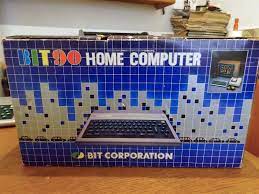
BIT 90 HOME COMPUTER

ColecoVision™ Compatible Home Computer by Bit Corporation

Divider

SYSTEM OVERVIEW

The Bit 90 is a rare 8-bit home computer manufactured by Bit Corporation of Taiwan, released in 1983–1984. It is essentially a ColecoVision with a full keyboard and BASIC programming language — making it both a home computer and a ColecoVision game console in one unit.

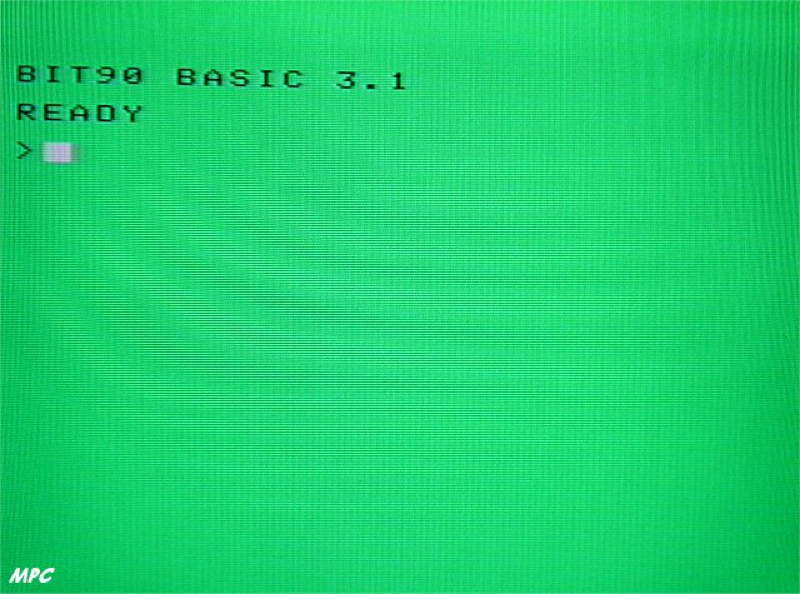
The Bit 90 features a ColecoVision-compatible cartridge slot that accepts standard ColecoVision game cartridges directly. It shares the same core hardware: the Zilog Z80 CPU, a Texas Instruments TMS9918-family VDP, and the SN76489 sound chip. The built-in Bit90 BASIC 3.1 turns it into a capable home computer with dedicated BASIC keys on the keyboard for quick command entry.

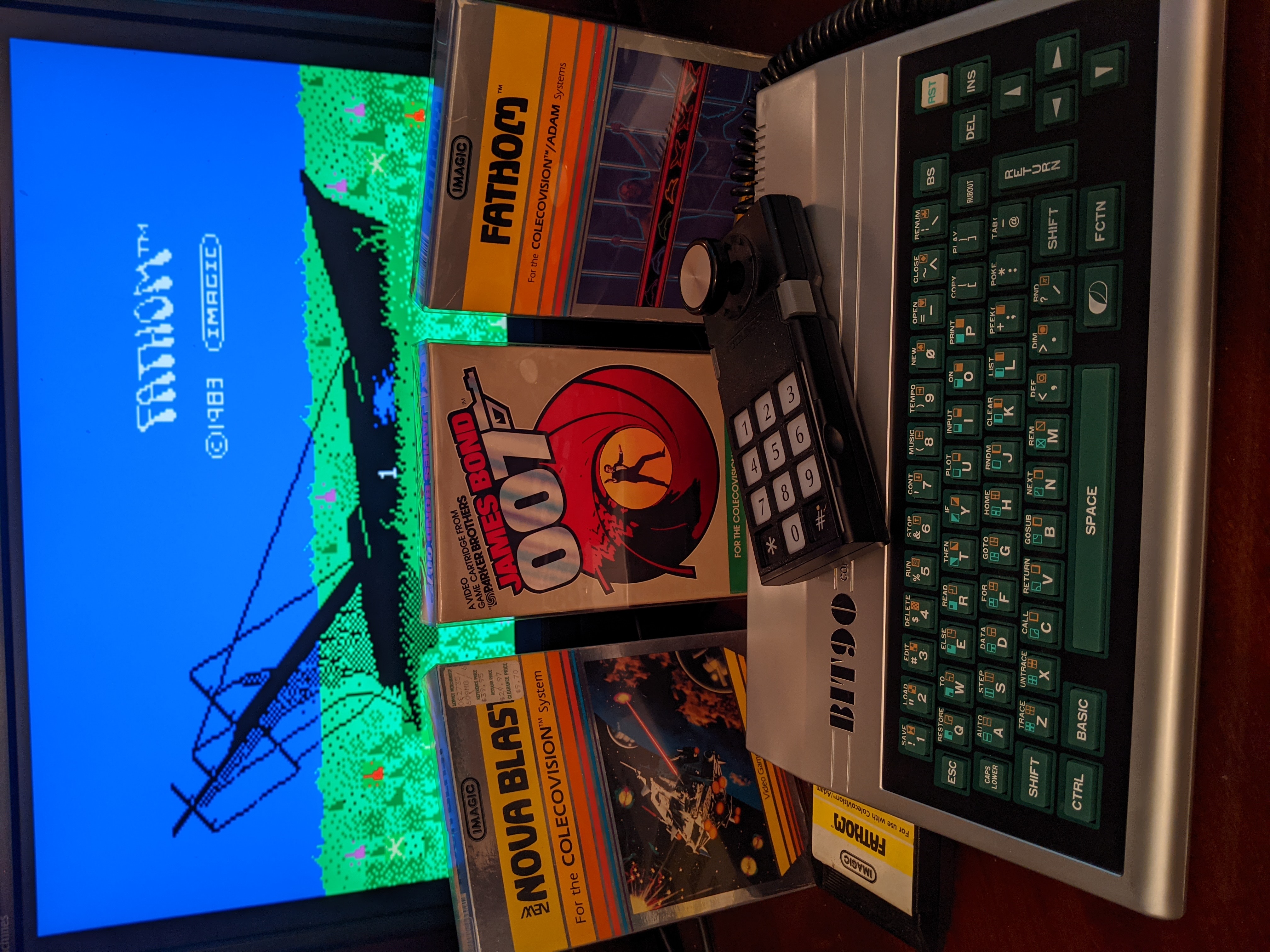
The computer bears a striking resemblance to the Sega SC-3000, which shares the same TMS VDP family. While not compatible with the SC-3000, both machines represent the same era of Z80/TMS9918-based home computing. Available in at least two color variants: white with black keys and silver/grey with green keys.

An optional Atari VCS/2600 cartridge adapter was also sold separately, mirroring the ColecoVision’s own Expansion Module #1 capability. Bit Corporation was reportedly involved in the development of the original ColecoVision project, which may explain the deep hardware compatibility.

Full Keyboard
Rubber keyboard with dedicated BASIC instruction keys, similar to the ZX Spectrum.
🎮
CV Cartridge Port
ColecoVision-compatible cartridge slot plays standard CV game cartridges directly.
💻
BASIC 3.1
Built-in Bit90 BASIC 3.1 in 24K ROM. Full programming environment with graphics and sound.
🔌
Expansion Bus
Rear expansion port supports RAM packs, disk drive, Centronics printer, and RS-232C.
🕹
Dual Joystick Ports
Two joystick ports for ColecoVision-compatible controllers.
📼
Tape Storage
Audio/tape port for saving and loading BASIC programs via standard cassette recorder.
ADAM color bars divider

TECHNICAL SPECIFICATIONS

ManufacturerBit Corporation (Taiwan)
ModelBit 90 Home Computer
OriginTaiwan (some sources list South Korea)
Year1983 (Old-Computers.com) / 1984 (Retroinformatica.net)
CPUZilog Z80 (Z8400A) — 3.6 MHz (PAL) or 3.85 MHz (NTSC). Discrepancy likely due to PAL/NTSC timing.
Video Display ProcessorTMS9929 (PAL) or TMS9118 (NTSC)
Resolution256 × 192 pixels, 16 colors, 32 sprites (4 per scanline)
SoundTexas Instruments SN76489 — 3 tone + 1 noise channel
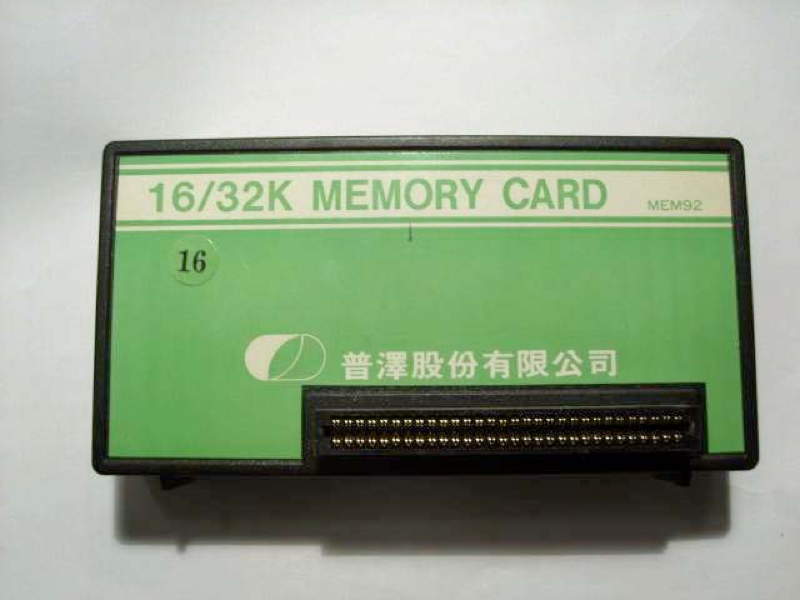
RAM2 KB base (TMM2016AP). Expandable via expansion bus. 16 KB RAM pack minimum for BASIC programming.
VRAM16 KB (AM9016 × 8 chips)
ROM24 KB — BIOS + Bit90 BASIC 3.1 interpreter
Text Mode32 × 24 chars (NTSC v3.0) / 30 × 24 chars (PAL v3.1)
Built-In LanguageBit90 BASIC 3.1 (unique, not Microsoft BASIC)
KeyboardFull rubber keyboard with BASIC, CTRL, FCTN, symbol keys
Video OutputRF or Composite Video (NOT RGB despite some docs)
Cartridge Slot1 × ColecoVision-compatible
Controller Ports2 × joystick (ColecoVision compatible)
ExpansionRear 50-pin bus: RAM packs, disk drive, printer, RS-232C
Tape PortAudio cassette load/save
PowerExternal power supply
RAM Clarification
The Bit 90’s pamphlet claims 18 KB RAM — this is misleading. The system has 2 KB work RAM + 16 KB VRAM. The VRAM is dedicated to the video processor and cannot be used for programming. A 16 KB RAM pack (expansion bus) is required for meaningful BASIC use.
divider

KEYBOARD & BASIC PROGRAMMING

The Bit 90 features a full rubber keyboard reminiscent of the ZX Spectrum. A unique BASIC key allows direct entry of BASIC instructions with a single key press — each key has a command printed on it, entered via BASIC/CTRL/FCTN modifier combinations.

BASIC 3.1 Features
Unique Bit90 BASIC (not Microsoft BASIC)
24 KB ROM with BIOS + interpreter
Graphics commands for sprite/tile manipulation
Sound commands for SN76489 tone generation
Tape load/save for program storage
Single-precision floating point (4 bytes)
CALL command for machine language subroutines
Keyboard Layout
Full QWERTY alphanumeric layout
Dedicated BASIC key for quick command entry
CTRL, FCTN, and Symbol modifier keys
Graphic characters printed on key faces
Rubber key construction (ZX Spectrum style)
Cursor keys function as Joystick 0
Development Note
Modern developers can target the Bit 90 using the z88dk C compiler with -subtype=bit90. BBC BASIC for Z80 has also been ported to this platform.
divider

PORTS & CONNECTIONS

Front / Top
ColecoVision-compatible cartridge slot
Full rubber keyboard
Controller Ports
2× joystick ports (ColecoVision compatible)
Rear Panel
50-pin expansion bus edge connector
RF video output
Composite audio/video output
Audio/tape cassette port
DC power connector
Expansion Bus Supports
RAM expansion packs (16 KB+)
Disk drive interface
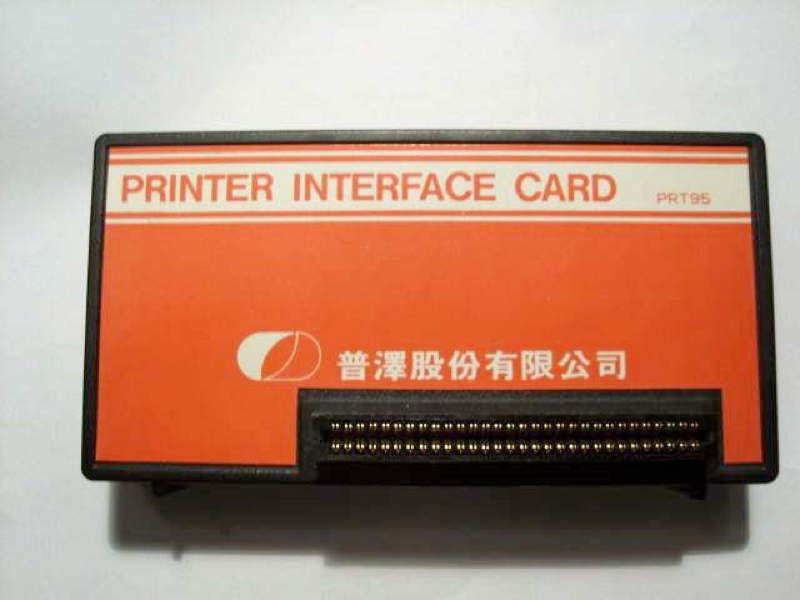
Centronics parallel printer interface
RS-232C serial interface
Atari VCS/2600 cartridge adapter
divider

AVAILABLE PERIPHERALS

RAM Expansion16 KB+ memory module. Required for BASIC. Plugs into rear expansion bus.
Disk DriveFloppy disk drive with controller interface for expansion bus.
PrinterBit Corporation Bit 90 thermal printer via Centronics parallel interface.
RS-232C InterfaceSerial communications adapter for modem/terminal use.
Atari 2600 AdapterPlays Atari VCS/2600 cartridges. Similar to ColecoVision Expansion Module #1.
Cassette RecorderStandard audio cassette recorder via tape port. Not proprietary.
divider

COLECOVISION COMPATIBILITY

The Bit 90 plays standard ColecoVision cartridges directly. The hardware is fundamentally the same — same CPU, VDP, and sound chip families. Key differences:

What Works
Standard ColecoVision game cartridges (most titles)
ColecoVision-compatible joystick controllers
Atari 2600 games via optional adapter
ColecoVision homebrew cartridges (standard titles)
What Does NOT Work
Coleco ADAM software
ColecoVision Expansion Module #3 (ADAM)
Super Game Module (SGM) enhanced games
ColecoVision expansion port modules (different interface)
divider

COLECOVISION vs. BIT 90

FeatureColecoVision (1982)Bit 90 (1983/84)
CPUZ80A @ 3.58 MHzZ80 @ 3.6/3.85 MHz
VDPTMS9928A (NTSC)TMS9118 (NTSC) / TMS9929 (PAL)
SoundSN76489SN76489
RAM1 KB2 KB (expandable)
VRAM16 KB16 KB
ROM8 KB (BIOS)24 KB (BIOS + BASIC)
KeyboardNo✔ Full keyboard
BASICNo✔ Bit90 BASIC 3.1
CV Cart Slot✔ Compatible
ExpansionFront (CV modules)Rear (proprietary bus)
Tape StorageNo✔ Cassette
Disk DriveNo (ADAM only)✔ Via expansion
Video OutputRFRF + Composite
Atari 2600Via Exp. Module #1Via optional adapter
TypeGame ConsoleHome Computer + Console
divider

HISTORY & CONTEXT

1982
Bit Corporation founded in Taiwan. Begins publishing Atari 2600 games and producing clone hardware. ColecoVision launches in North America.
1983
Bit Corporation releases the Bit 60, an Atari 2600 clone. The Bit 90 development begins, leveraging ColecoVision-compatible hardware with keyboard and BASIC.
1983–1984
The Bit 90 is released in Taiwan (and possibly South Korea). Available in white/black and silver/green color variants. The North American video game crash limits western distribution.
1984
Bit Corporation continues development of ColecoVision/SG-1000 compatible hardware, leveraging shared Z80/TMS9918 architecture. This expertise will lead to the DINA 2-in-1 in 1986.
Present
The Bit 90 is considered one of the rarest ColecoVision-compatible systems. Working units are extremely scarce, with most surviving examples in the hands of dedicated collectors. A GitHub project by a former Bit 90 owner documents the hardware and has ported BBC BASIC to the platform.
divider

RESOURCES & LINKS

ColecoVision™ is a trademark of its respective owner. All product names and trademarks are property of their respective owners. Historical information compiled for preservation and educational purposes.